3-day itinerary
Add a slow morning, Panikotha by boat and the quiet east coast.
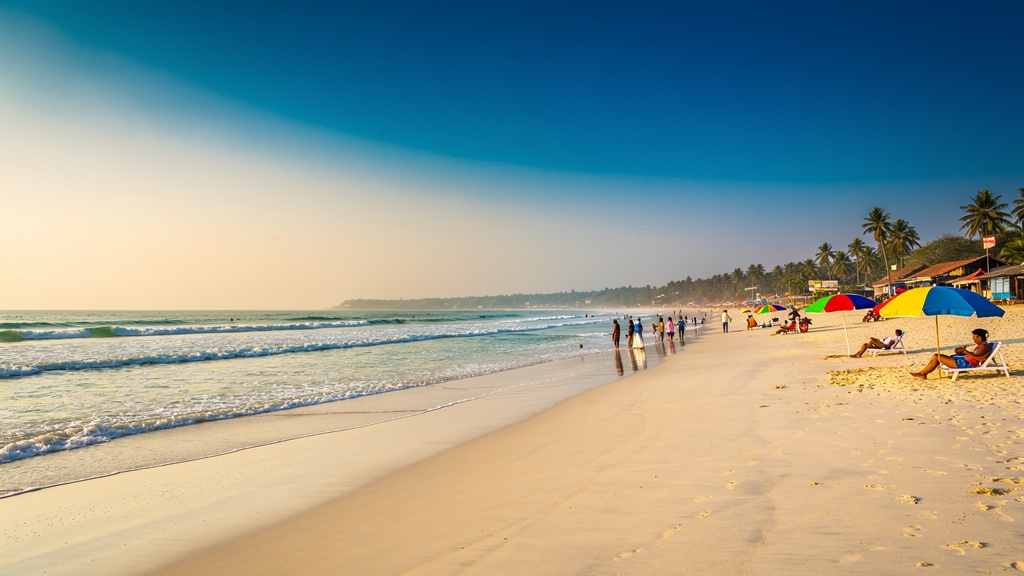
The short version: October to March is the sweet spot, December is the peak, and June–September closes most of the beach — but keeps the island's best indoor charm.
| Month | Weather | Crowds | Beaches & water sports | Verdict |
|---|---|---|---|---|
| Jan | Cool & clear, 18–28°C | Peak | Excellent | Best |
| Feb | Mild, pleasant | High | Excellent | Best |
| Mar | Warming up, dry | Moderate | Very good | Great |
| Apr | Hot, 26–36°C | Low | Good early/late | OK with planning |
| May | Very hot, humid | Low | Limited | Skip unless cheap |
| Jun | Monsoon begins | Very low | Closed | Fort/church trips only |
| Jul–Aug | Heavy rain | Very low | Closed | Fort/church trips only |
| Sep | Rain easing, lush | Low | Reopening late month | Cheap, green |
| Oct | Sea calm again | Building | Full reopening | Great |
| Nov | Perfect, 20–30°C | High | Excellent | Best |
| Dec | Peak season, festive | Peak | Excellent | Best |
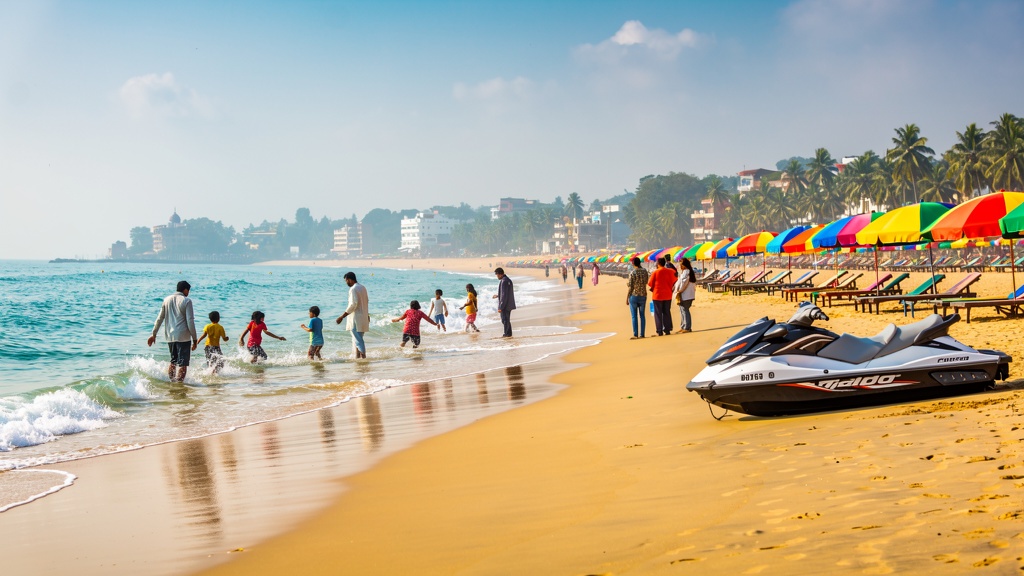
Nagoa is the center for water sports — banana boats, jet skis, parasailing, kayaking and glass-bottom-ish boat rides. Operators run the full menu when the sea is calm, which is almost guaranteed from mid-October to March.
In December–January the water is at its clearest and the bays calmest, which is also why Nagoa gets busiest then. If you want long, near-empty mornings, February–March gives you the same water with half the crowd.
Prices are per-ride and negotiated on the beach; agree before you board and check that life jackets fit. Water sports stop entirely during monsoon — there's no point asking in July.
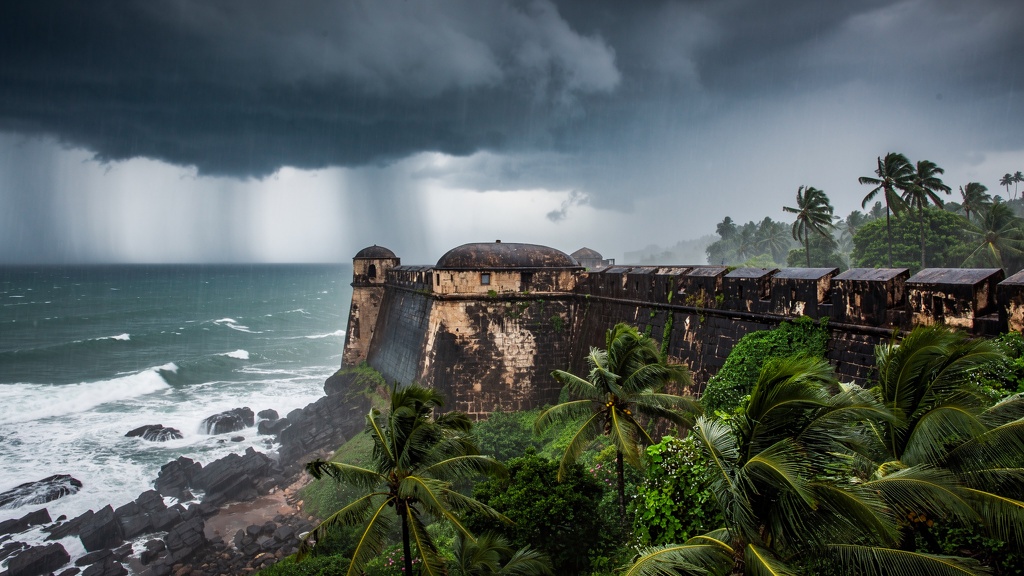
Let's be direct: monsoon closes most of the beach-and-water-sports value of Diu. The sea gets rough, some low roads flood briefly, and lifeguards pull off the sand. But —
If you only care about swimming and water sports, don't come June–September. If you want a quiet heritage trip with a camera, it's genuinely underrated.
Both are peak and both are magnificent. December has the festive Diu Festival and longer holiday energy; January is quieter after New Year yet still perfect weather. Book accommodation at least 2–3 weeks ahead for either.
Days get genuinely hot (35°C+) and humid by May. A fort-and-pool itinerary with early starts still works, but it's the weakest of the non-monsoon months. June rolls straight into the rains.
The administration's flagship tourism event — typical December dates with music, water-sports shows and food. Check dnhddtourism.in for current-year dates.
Add a slow morning, Panikotha by boat and the quiet east coast.
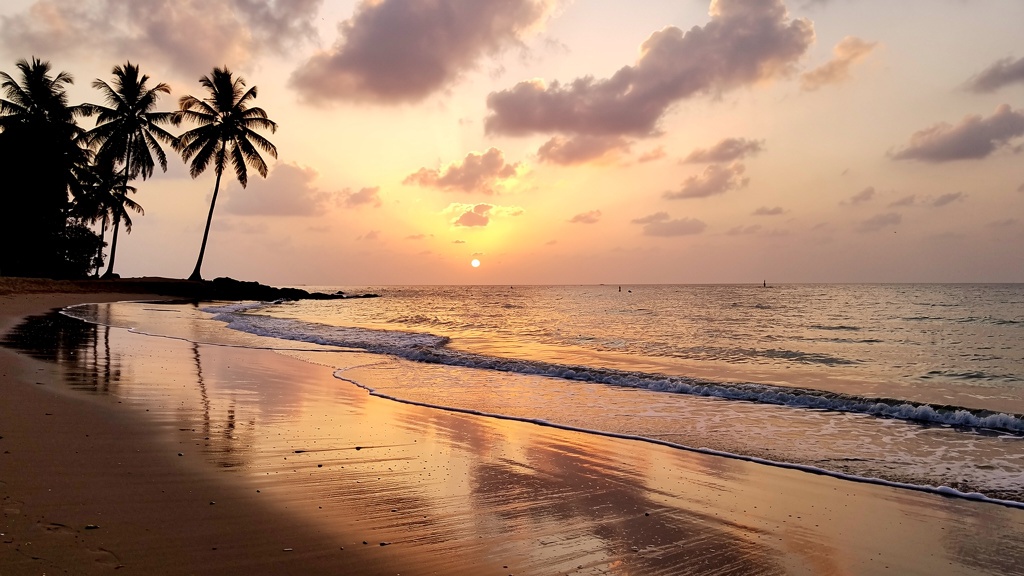
Nagoa vs Ghoghla vs Jallandhar vs Chakratirth — one table, honest notes.

Peak-season booking is the #1 trip planner — here's how to do it right.